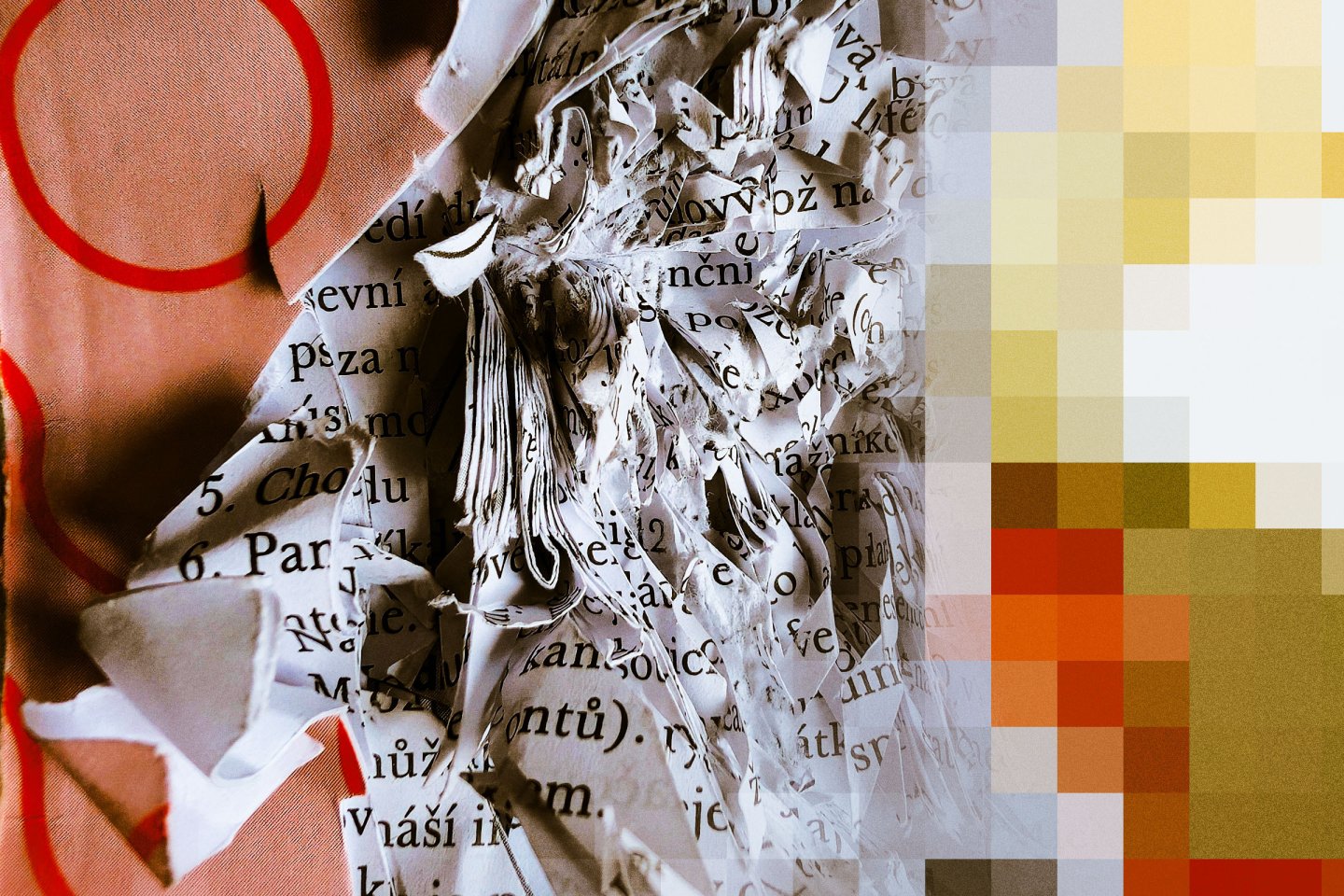
我不介意鬼子把它们自己的能买来的旧书都毁掉,可是中国政府应该事先预防这种做法,以免把中国的旧书都被毁掉!
Anthropic因为侵犯版权,被迫赔偿作者$15亿,所以美帝AI公司现在不敢剽窃新书了。然后就转向旧书,廉价收购,扫描内容,然后把书都毁掉。
-------------------------------------
AI Companies Are Buying Antique Books, Ingesting Their Contents to Train Models, and Then Destroying Them at Incredible Scale
"The world\'s best AI training data is setting on a shelf."
By Frank Landymore
Published Jul 25, 2026
Traditionally, books have been good for two things: reading, and looking nice on a shelf.
But AI companies are interested in neither.
To those building large language models, books are nothing more than fodder to be devoured en masse before being spit out like fishbone. Often, they’re happy to use digital books — or even better, pirated digital books, as Meta has been accused of doing, and as Anthropic was forced to pay a $1.5 billion settlement to authors for also doing.
raditionally, books have been good for two things: reading, and looking nice on a shelf.
But AI companies are interested in neither.
To those building large language models, books are nothing more than fodder to be devoured en masse before being spit out like fishbone. Often, they’re happy to use digital books — or even better, pirated digital books, as Meta has been accused of doing, and as Anthropic was forced to pay a $1.5 billion settlement to authors for also doing.
https://futurism.com/artificial-intelligence/ai-companies-destroying-rare-books
==================================
I Companies Are Still Buying Up Old Books by the Pallet – Then Shredding Them
Nikshep Myle
Tue, July 21, 2026
A used bookseller gets an order for 400 volumes. History, botany, regional law, German-language economics. The subjects share nothing in common except one detail: every title has an ISBN. That\'s the fingerprint. AI companies — or their intermediaries, shielded by NDAs — are systematically buying physical books from secondhand markets, slicing off their spines for high-speed scanning, and pulping the originals. The reason is brutally simple. The internet is now so saturated with AI-generated text that pre-2022 printed books represent the last large, uncontaminated reservoir of human-authored knowledge, a dynamic that reflects the same appetite for data driving ventures like the Stargate Project.
...
One Court Ruling Changed Everything
A federal judge called the buy-scan-destroy pipeline "clearly transformative" — and other labs immediately took notes.
In Bartz v. Anthropic, Judge William Alsup ruled that purchasing a book, scanning it, destroying the physical copy, and keeping only the digital version for AI training qualified as fair use under U.S. copyright law. What the ruling means in practice is straightforward: buy a book, scan it, destroy it, keep the data. Because the digital copy "replaced" the physical one and was never redistributed as a book substitute, the use was deemed transformative. Anthropic separately settled for a reported $1.5 billion covering roughly 500,000 works, according to Dataconomy — preserving every trained model built on the data.